
Clinical Care for the Whole Person
The Turn Recovery provides highly individualized residential treatment for substance use, trauma, and co-occurring mental health concerns.
Evidence-based clinical care is the foundation. Each treatment plan is shaped around the individual—their history, pressures, needs, and goals—and may combine clinical and experiential approaches to support meaningful change.
About The Turn
Recovery Designed Around The Individual
People who are accustomed to carrying responsibility, solving difficult problems, and maintaining control may find it particularly difficult to step away and ask for help.
The decision can raise immediate concerns: What will happen to my family or work? Will this remain private? Will treatment understand the life I have built? Will I lose control of everything while trying to regain control of myself?
The Turn Recovery was created with those concerns in mind.
Care begins by understanding the person, not just the addiction. Treatment considers the responsibilities, relationships, pressures, and goals that shape each client's life—and the life they hope to return to.
Care Begins With Listening
No two clients arrive with the same history, circumstances, or definition of progress.
Before determining the path forward, the clinical team takes time to understand what brought the person to this moment, what may be standing in the way of change, and what they need from treatment.
That understanding informs an individualized plan designed to remove barriers, foster progress and give each client the best opportunity to succeed.
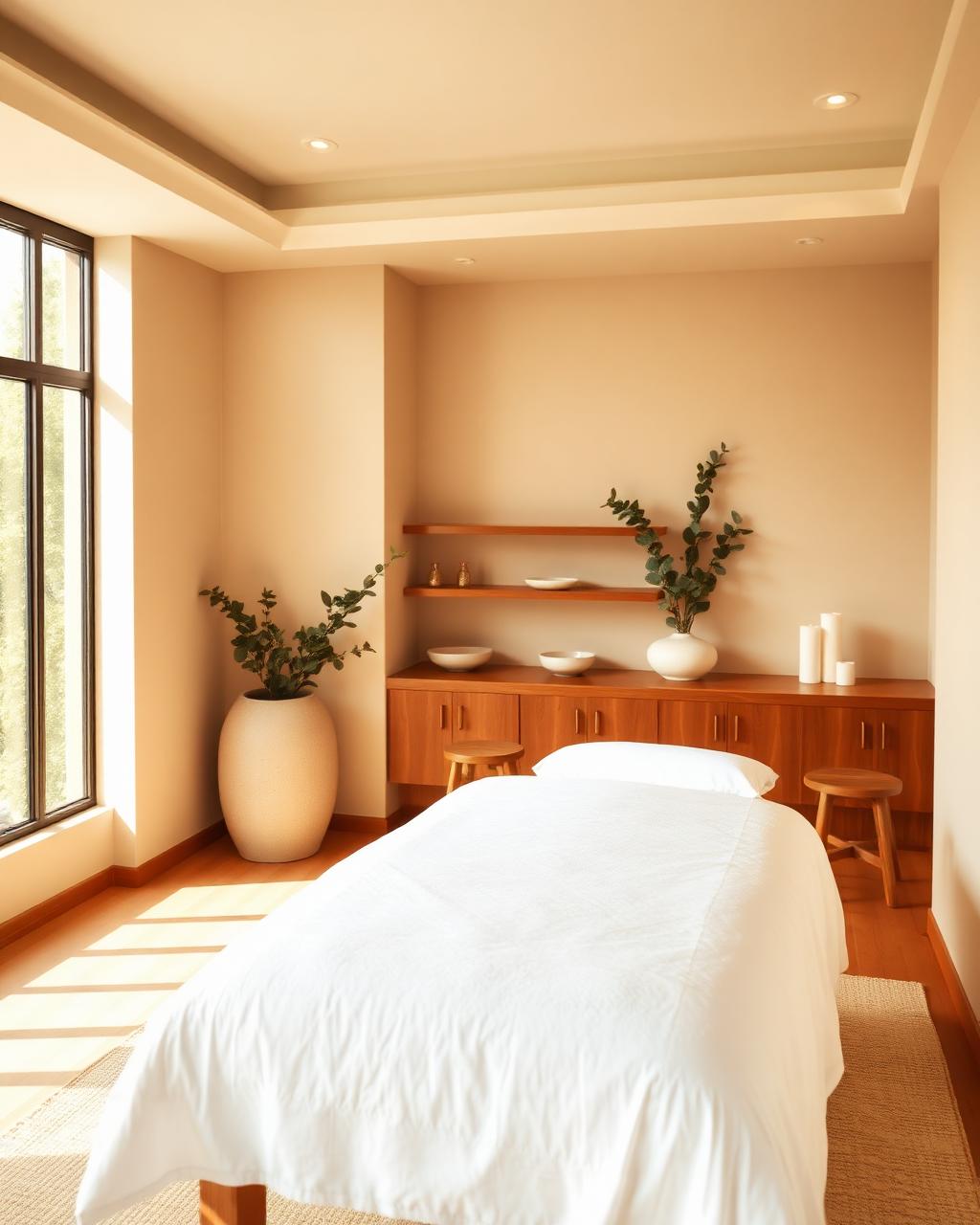
Individualized Clinical Care
Each client's treatment plan is shaped around their history, current needs, relationships, responsibilities, and goals.
Care may address substance use, trauma, co-occurring mental health concerns, behavioral patterns, family dynamics, and the pressures affecting the client's ability to move forward.
Clinical care comes first. Every other part of the experience is intentionally selected to strengthen it.
Experiential and Trauma-Focused Therapy
Some patterns are difficult to identify through conversation alone.
Experiential and trauma-focused approaches create opportunities to recognize those patterns as they emerge, understand their origins, and practice different responses in real time.
These experiences may reveal how someone responds to uncertainty, frustration, vulnerability, control, and pressure—providing meaningful material to explore with the clinical team.

Golf as an Extension of the Clinical Work
At The Turn Recovery, golf is not included as entertainment or simply as a luxury amenity. It serves as an experiential setting in which patterns can become visible.
The Turn Recovery model was built with intentionality, where golf serves as an experiential extension of the clinical work taking place.
On the course, unscripted moments may reveal responses to focus, control, frustration, expectations, setbacks, and pressure. Clients can then examine those moments with the clinical team and connect them to patterns appearing elsewhere in their lives.
Golf becomes the avenue to put the clinical work into practice, helping clients develop mindful tools needed allowing for an easier transition when returning back to their lives.

Care Beyond the Therapy Room
Meaningful recovery requires attention to the whole person.
Nutrition, movement, sleep, recreation, and restorative time help clients rebuild physical well-being, establish healthier routines, and participate more fully in clinical care.
The purpose is not to fill the schedule. It is to create an integrated experience in which each element supports the work happening throughout treatment.
Nutrition & Culinary Wellness
Thoughtfully prepared meals and individualized nutritional considerations support physical health, mental clarity, and sustained participation in treatment.
Nutrition becomes part of rebuilding healthy routines and fueling the body with what it needs to support the recovery process.
Movement & Restorative Time
Movement can help regulate stress, reconnect clients with their bodies, and create healthier responses to physical and emotional pressure.
Swimming, outdoor recreation, walking, fitness, and restorative time in the Northern California landscape offers opportunities to move, slow down, reconnect, and regain perspective.
Preparing for What Comes Next
The purpose of treatment is not only to create change within a protected environment. It is to help clients carry that change into their relationships, responsibilities, and daily lives.
Throughout the experience, clients begin developing greater awareness, healthier responses, and practical tools that can support the life they want to return to.
Recovery should not have to begin after everything falls apart.